Relations between Church and state have never been simple—but recent events in the UK have raised new concerns about whether secular authorities are crossing a sacred line.
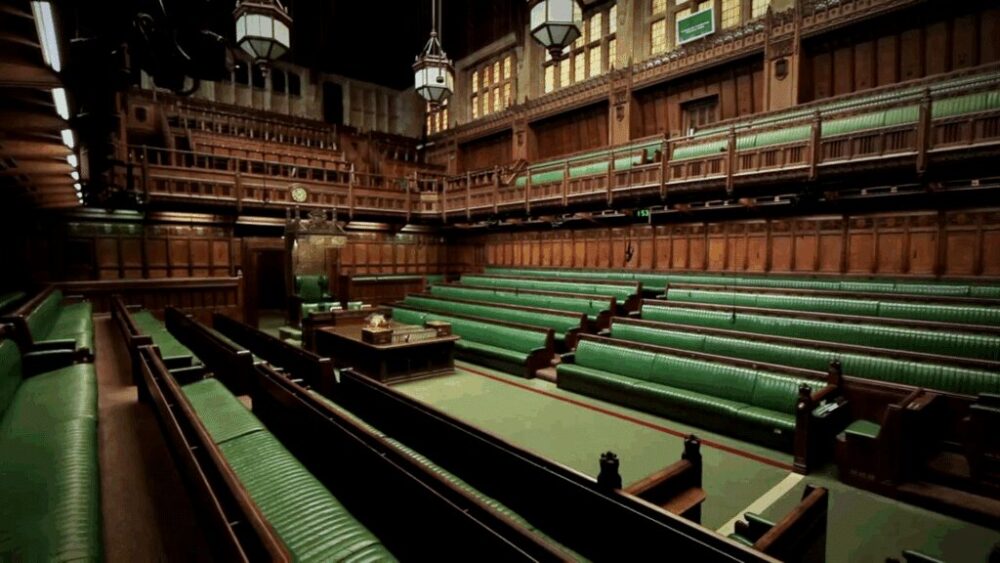
On June 20, during a heated debate over the Assisted Dying Bill, Liberal Democrat MP Chris Coghlan, a self-identified Catholic, chose to support the legislation. Before the vote, his parish priest—known for a firm adherence to Catholic teaching—warned him that such a stance would place him outside the Church’s moral boundaries. When Mr. Coghlan voted for the bill, the priest, true to his word, denied him Holy Communion. The fallout was swift.
Mr. Coghlan accused the Church of trying to “coerce” him and claimed his decision was rooted in compassion and justice. He reported the priest to his bishop. The bill’s sponsor, MP Kim Leadbeater, condemned the Communion denial as “totally unacceptable,” framing it as undue pressure on a lawmaker. But is that what really happened?
The Church Has a Duty—Not Just a Right—to Guard Her Sacraments
Let’s be clear: Holy Communion is not a political statement or symbolic gesture. It is a sacrament, the source and summit of the Catholic life. And it is reserved for those who are in communion with the teachings of the Church.
The Catholic Church teaches unequivocally that assisted suicide is gravely immoral—a direct affront to the sanctity of life. For a priest to deny Communion in such a case is not coercion, but pastoral responsibility.
Mr. Coghlan may believe he acted with compassion. But sincerity does not nullify truth. Catholicism is not a choose-your-own-adventure; it’s a faith built on revealed doctrine. To reject that doctrine publicly is to place oneself outside the sacramental life of the Church.
When Politics Demands the Church to Conform
The real danger here is not that a priest followed canon law. It’s that politicians are now pressuring the Church to conform her teachings to secular ideologies.
By reporting the priest, Mr. Coghlan implicitly called for ecclesial discipline to be restrained when it conflicts with political conscience. Worse, Kim Leadbeater’s suggestion that religious leaders can “share their views” but not act on them spiritually is a shallow view of religious freedom. It reduces faith to private opinion and renders sacraments subject to state approval. That’s not religious liberty. That’s state interference in sacred things.
Render Unto God What Is God’s
Jesus taught that His kingdom is “not of this world.” The Church cannot submit to worldly values when they conflict with eternal truths. She must guard the sacraments. She cannot and will never compromise them. And Catholics must understand that to receive Communion is not a right: it is a grace extended to those who are in full communion with Christ and His Church. This is not about punishing politicians for their individual opinions. It’s about protecting the integrity and sanctity of the faith.
The moment the Church is compelled to administer sacraments against her own teaching is, indeed, the moment she ceases to be free. And if the state can pressure a priest to violate his conscience, then what that simply means is that religious freedom is already under siege.
Final Thoughts
This controversy is a wake-up call—not just for the UK, but for Catholics everywhere. We must defend the sacred from the secular. When the world demands that we rewrite eternal truths in the name of modern values, we must answer with the same courage as that priest: No. We obey God, not man.
Join the Conversation
Do you think the Church should deny Communion to politicians who support legislation against Church teaching? Share your thoughts in the comments below.