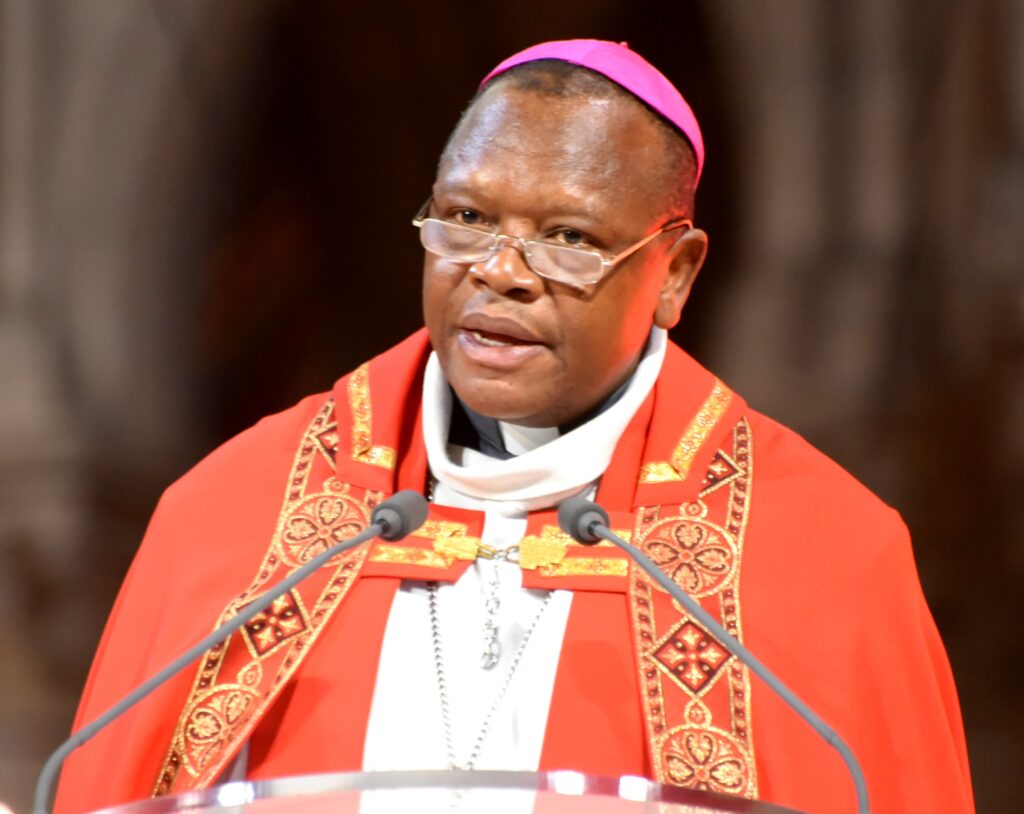
YAOUNDÉ, Cameroon | July 6, 2025 — Cardinal Fridolin Ambongo of the Democratic Republic of Congo has condemned what he called the plundering of Africa’s mineral wealth, warning that the continent’s vast natural resources have become a major driver of violent conflict and ecological devastation.
Speaking at a Vatican press conference on July 1 alongside bishops from the global South, Cardinal Ambongo, Archbishop of Kinshasa and President of the Symposium of Episcopal Conferences of Africa and Madagascar (SECAM), highlighted the grim link between extractive industries and instability in regions like eastern DRC.
“Africa is not a poor continent,” he declared. “It is a plundered continent.”
The press event marked the presentation of a new joint statement titled “A Call for Climate Justice and the Common Home: Ecological Conversion, Transformation, and Resistance to False Solutions”, released ahead of the COP30 climate summit in Brazil. The document is a unified plea by bishops across the global South, urging world leaders to respect both the dignity of vulnerable communities and the ecological integrity of the planet.
Conflict and Extraction in the DRC
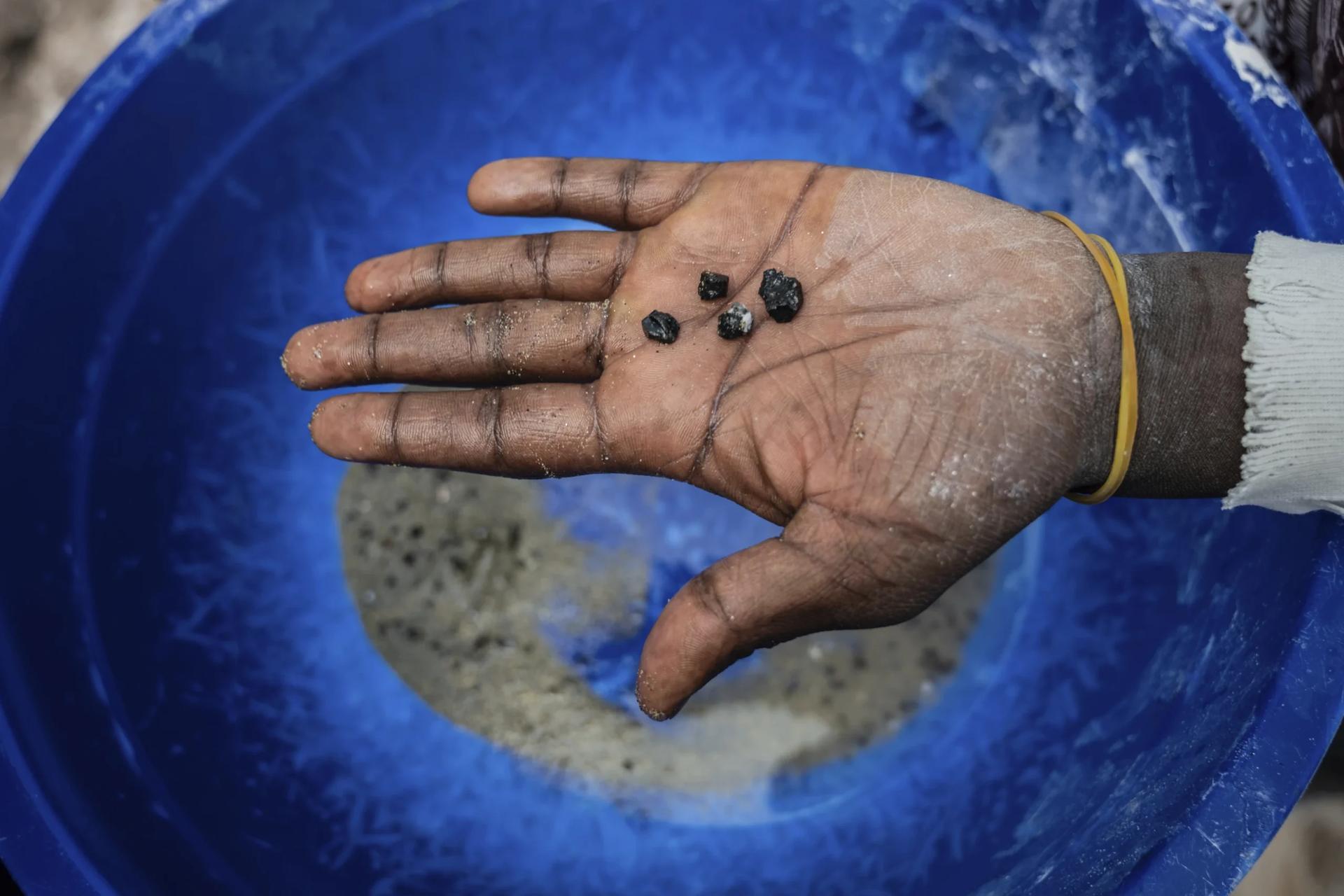
Cardinal Ambongo cited the three-decade-long conflict in eastern Congo, where over 120 armed groups—some backed by foreign interests—continue to fight for control of critical minerals like cobalt, lithium, and coltan, essential for global tech and energy markets.
“How can we accept that, in the name of the ‘energy transition,’ entire communities are being wiped out in the search for lithium, cobalt, or nickel?” he asked.
He also criticized carbon offset schemes and financial mechanisms that commodify African forests while local populations remain without basic needs like clean drinking water.
Climate Justice vs. False Solutions
Nigerian Catholic climate advocate Linda Uwaka echoed Cardinal Ambongo’s concerns, calling carbon finance systems hypocritical and ineffective.
“Polluting in developed countries and then planting trees in Africa to compensate is a false solution,” she told Crux, urging local leadership in sustainable solutions like agroecology and community forest management.
Uwaka dismissed mechanisms like REDD (Reducing Emissions from Deforestation and Forest Degradation) as harmful, saying they often strip indigenous communities of access to their ancestral lands.
The bishops’ joint document challenges the dominant global economic and environmental paradigms, offering ten demands and commitments that include respecting indigenous sovereignty, ensuring gender justice, and protecting climate migrants and future generations.
A Cry for Dignity and Action
“We are saying enough is enough—enough of false solutions, enough of decisions taken without listening to those on the front lines of climate collapse,” Cardinal Ambongo stated.
He stressed that the Church must stand in solidarity with the oppressed and offer a counter-vision rooted in spirituality, care, and justice. The African Church, he said, is investing in ecological ethics, youth formation, and a Southern alliance to speak with a unified moral voice.
“Africa wants to live. Africa wants to breathe. Africa wants to contribute to a future of justice and peace for all humanity,” the cardinal declared. “And she will do so with her faith, her hope, and her invincible dignity.”
Archbishop Ignatius Kaigama of Abuja, Nigeria, added that the Church must rethink its mission in light of the climate crisis, remaining faithful to its calling while adapting to new challenges that threaten both human life and creation.
A Call Before COP30
As preparations intensify for the COP30 conference later this year, African bishops are insisting that climate justice is not just a political demand but a moral and spiritual imperative.
“Urgent action is needed to avoid irreversible impact on the climate and natural systems,” Ambongo warned.
Reports from the World Meteorological Organization and UN agencies underscore the cardinal’s concerns, revealing that African nations lose between 2% and 5% of GDP annually due to climate impacts, and often divert up to 9% of national budgets to cope with climate-related disasters.
The bishops’ message, shared with Pope Leo XIV, signals a growing determination by the Church in Africa and the global South to lead the fight for a just and sustainable future.
Credit: Ngala Killian Chimtom, Africa Correspondent, Crux
For full coverage and updates, visit CruxNow.com or follow the Vatican’s climate action updates.